News
Celebrating the 2025–2026 Viking Fire Protection Seneca Scholarship Recipients
Reading time : 2 min
Learn more



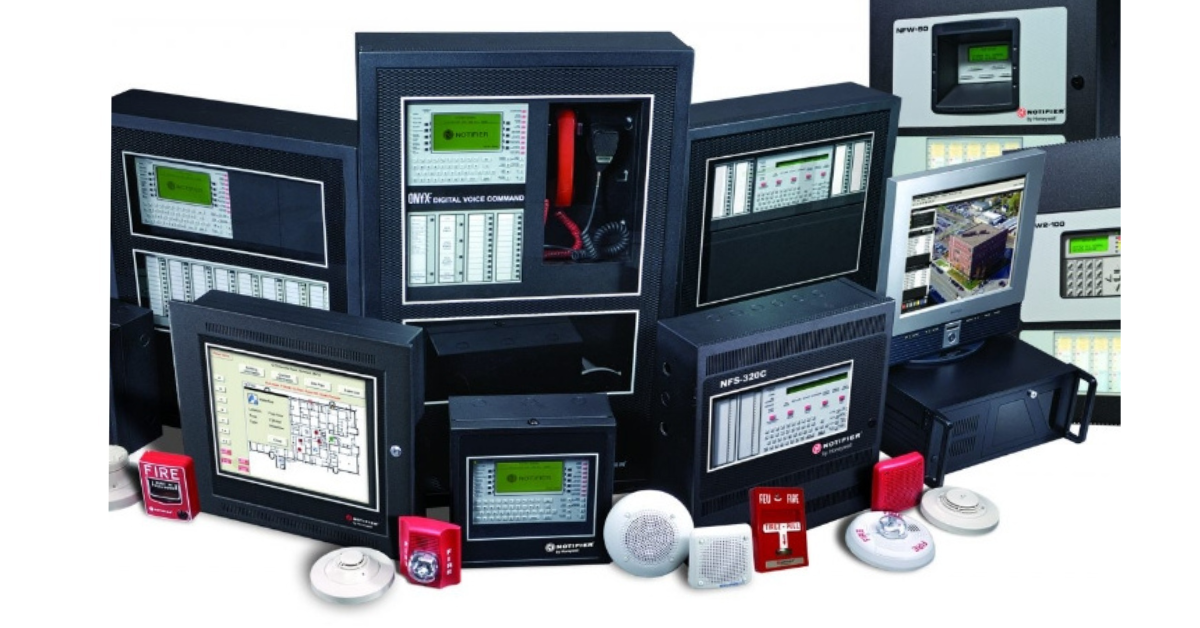
Winter doesn’t just test your building, it tests your fire alarm system. Between freezing temperatures, power dips, and overworked HVAC equipment, the season introduces risks that can quietly disable protection when you need it most.
At Viking Fire Protection, we see the same winter failures every year. The good news? Almost all of them are preventable.
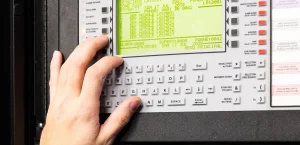
Winter puts exceptional stress on fire alarm control panels, and even small temperature swings can cause system-wide failures. When a panel becomes too cold, the rest of your life safety network is at risk.
Q: Why do control panels fails more often in winter?
A: Because cold temperatures, drafts, and power fluctuations interfere with electronic components- leading to nuisance troubles, power faults, or complete shutdowns.
Check:
Why this matters: A cold panel isn’t just inconvenient, it can quietly disable your protection when you need it most.
Winter storms challenge the reliability of every fire alarm system, and backup batteries become your first line of defense. Outages are inevitable, but alarm failure doesn’t have to be.
Q: What’s the #1 cause of winter alarm outages?
A: Batteries that can’t hold standby load in cold conditions or during extended power dips.
Do now:
Pro tip: Batteries older than 3 years are ”retired” in winter. Replace before they fail.
Cold weather creates hidden risks for smoke detectors, heat detectors, and pull stations- especially in areas prone to drafts or freezing temperatures. Even minor temperature changes can cause nuisance alarms or device failures.
Q: Why do smoke and heat detectors send more false alarms in winter?
A: Because cold drafts, condensation, and mechanical room humidity can interfere with sensing chambers and electronic components.
Confirm:
Winter risk: Condensation forming on cold detectors is one of the top causes of false alarms during winter months.
Valve rooms and supervisory devices are extremely vulnerable to freezing and if they freeze, your fire protection system becomes compromised instantly. Even a short drop in temperature can disable critical components.
Q; What happens if a valve room freezes?
A: You risk burst pipes, disabled valves, and total loss of sprinkler protection until repairs are made.
Inspect:
If anything freezes: You enter fire-watch territory until everything is fully restored.
Winter storms challenge communication stability, and fire alarm panels rely on strong, supervised paths to send emergency signals. If communication drops, dispatch is compromised.
Q: What is the most common winter communication failure point?
A: Moisture infiltration or temperature drops affecting cellular/IP equipment and cable entry points.
Winter Check:
Reliable communication means your alarm will transmit signals even during the harshest storms.
Your HVAC works overtime in cold weather, which increases airflow volume, dust circulation, and mechanical strain, directly affecting duct detectors. This makes proper maintenance crucial.
Q: Why do duct detectors fail more often in winter?
A: Because increased airflow, dirty filters, and shifting air currents interfere with sampling accuracy.
Validate:
Proper airflow management reduces false alarms and ensures shutdowns activate when needed.
Winter conditions directly impact evacuation safety- ice, snow, and visibility issues can slow or block safe exit during an emergency. In Canada, fire alarm detection, installation and verification requirements are governed by CAN/ULC standards (S524 and S537). Winter affects everything that happens after the alarm sounds.
Q: Whys is egress more critical in winter emergencies?
A: Because ice and snow can physically prevent occupants from evacuating quickly and safety.
Ensure:
Clear, functional exits save lives, especially during freezing conditions.
Let’s be honest: even well-maintained systems face unique winter stressors. From temperature-induced faults to communication drop and mechanical issues. A winterized inspection ensures your system performs reliably during the toughest monts.
Q: Why schedule an inspection specifically for winter?
A: Because cold weather introduces issues that don’t appear during the rest of the year, and early detection prevents mid-season failures.
A Viking-certified technician will:
A proactive winter inspection is the best way to stay ahead of costly, safety-impacting failures.





Viking systems are designed and installed exclusively according to NFPA standards. Our team uses products that are recognized by ULC and FM Approved standards. Viking Fire Protection also meets pre-qualification requirements by several recognized organizations